



Pet Cancer Awareness Month: How Do You Detect Cancer Early in Your Pets?

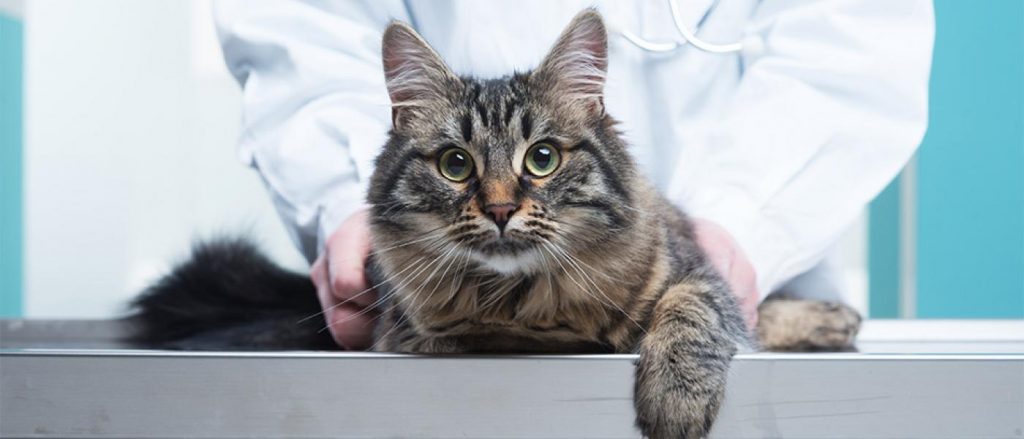
Cat at veterinarian

Cancer is the most common cause of death for our pets. While a good diet and a healthy lifestyle can help prevent all types of illness, it’s best to closely monitor your pet’s health in order to pick up on early warning signs of disease.

Diagnosing pet cancer requires a thorough veterinarian and medical testing, however, the following symptoms indicate that your pet may not be feeling well, and may indicate something more serious.

Here are 5 Signs of Illness in Your Pet (Sometimes Cancer-Related):

1—Lumps – As pets age, they will sometimes develop non-cancerous skin growths and other lumps and bumps. While many times these growths end up being benign, they can sometimes be a sign of lymphoma or a skin cancer. A trip to the vet will ease your concern, as your vet will run a needle biopsy or another test if she suspects an illness.

2—Unexplained weight loss – If your pet is losing weight, but his or her diet and exercise patterns haven’t changed, you may want to take your pet in for a check-up. Your vet may want to rule out cancer and will help you get to the bottom of the unexplained change in weight.

3—Unusual odors – If your pet has unpleasant odors coming from his or her mouth, ears or anal glands, this could be a sign of cancer in those areas. While these symptoms could also indicate an infection, your veterinarian will examine the areas in question and make recommendations for next steps.
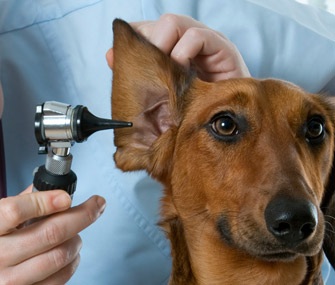
Pet Ear Exam

4—Change in bathroom habits—Difficulty going to the bathroom, an increase in bathroom frequency or “forgetting” the approved bathroom locations can be signs that your pet is ill. Keep in mind that a move or other stressful life change can also affect bathroom habits, however it’s best to discuss the issue with your vet.

5—Lethargy – If your pet is no longer excited to go for walks or rides in the car, or is sleeping more often than usual,  it’s time for a trip to the vet. Any illness is likely to leave your pet feeling less than stellar, so while it may not be cancer-related, you won’t know until you go in for a visit.

lethargic cat

Remember, just like with humans, diet, exercise and a healthy lifestyle play a role in disease prevention. You have the best chance of catching an illness early and resolving it if you pay attention to changes in your pet’s behavior and take him or her to the veterinarian regularly. Early detection can make all the difference.


How to Pet Proof Your Living Room for a New Puppy or Kitten

Cat looking at holiday tree

It’s fun to bring home a new puppy or kitten. You can cuddle them, introduce them to family members, post pictures on Facebook and spoil them silly!

What’s not fun is when they chew something they shouldn’t—remote controls, shoes and  window blinds come to mind. Puppies and kittens are naturally curious. They’ll explore the nooks and crannies that even your vacuum may not have seen lately, and they’ll learn about new things by putting them in their mouths.

So, how do you pet proof your home? Each room will require a slightly different strategy and in this post we’ll focus on your living room. It’s a good idea to take some time before your new furry family member arrives and give your home a critical eye.

5 Steps to Pet Proofing Your Living Room

1) Pick up shoes and stow them in a closet or bin. Puppies are notorious chewers, but kittens may find shoelaces irresistible too. Plus, without house training, they may find shoes to be excellent places to “mark” their territory. Yuck!

cat eating plant2) Remove breakables. It only takes a swish of a tail or a bat of a paw to knock your porcelain or other fragile knick-knacks off tables or mantles. Not only will you be left with shards of glass to clean up, but Mimi could step on them and get cut.
3) Pick up children’s toys. To prevent pets from potentially choking on smaller pieces, store action figures and building toys in a box with a lid when playtime is over.

4) Identify and research your houseplants. Many common plants and flowers are poisonous to pups and kittens so they could get sick from gnawing on the petals or leaves. You may want to swap any questionable plants for safe ones, or store certain plants in a room with a closed door.

5) Give your new furry friend a soft cushion or pet bed in your living room. Your pets want to be with you and they’ll appreciate a cozy place nearby to call their own. What pet proofing tips have you’ve gained from experience? Do you have a photo of your pet lounging in his or new digs? Share them on our Facebook page!

How to Get Your Dog Certified As A Therapy Dog

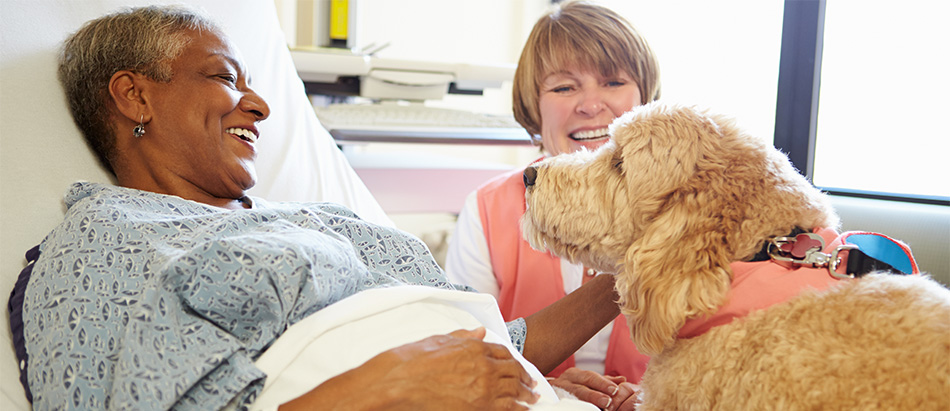
Therapy dogs provide an important and rewarding job for both the dog and the owner. If you are interested in your pet becoming a certified therapy dog you first need to make sure your dog is best suited for this type of work. Therapy dogs should be well trained and friendly. The dog should not be frightened of strangers or new situations and should enjoy going out and visiting new and unfamiliar places.

For certification, your dog will need to be in good health and up to date in all vaccinations. You should receive a health certificate from your veterinarian. Of course, make sure that your dog is well trained. Good therapy dogs need to be able to sit, lie down and stay on command and to walk on a leash without pulling.

If your dog’s health and temperament fit those of a therapy dog the next step is to get him certified. Most therapy groups require that your dog pass the American Kennel Club’s Canine Good Citizen (CGC) test. To find a testing site and evaluator visit http://www.akc.org/events/cgc/cgc_bystate.cfm
The CGC test consists of the following 10 items that your dog must pass:

* Accepting a friendly stranger
* Sitting politely for petting
* Appearance and grooming
* Walking on a loose lead
* Walking through a crowd
* Sit and stay commands
* Coming when called
* Reaction to another dog
* Reaction to distraction
* Supervised separation from owner

Depending on the therapy organization that you are seeking certification from, there may be additional requirements beyond the CGC test. Check with the individual organization for their specific requirements.

เกี่ยวกับหน้านี้

วันที่:

10/01/2010

    รับคำแนะนำจากผู้เชี่ยวชาญ เพื่อการดูแลสัตว์เลี้ยงอย่างดีที่สุด

    ลงชื่อเข้าใช้